
.jpg)
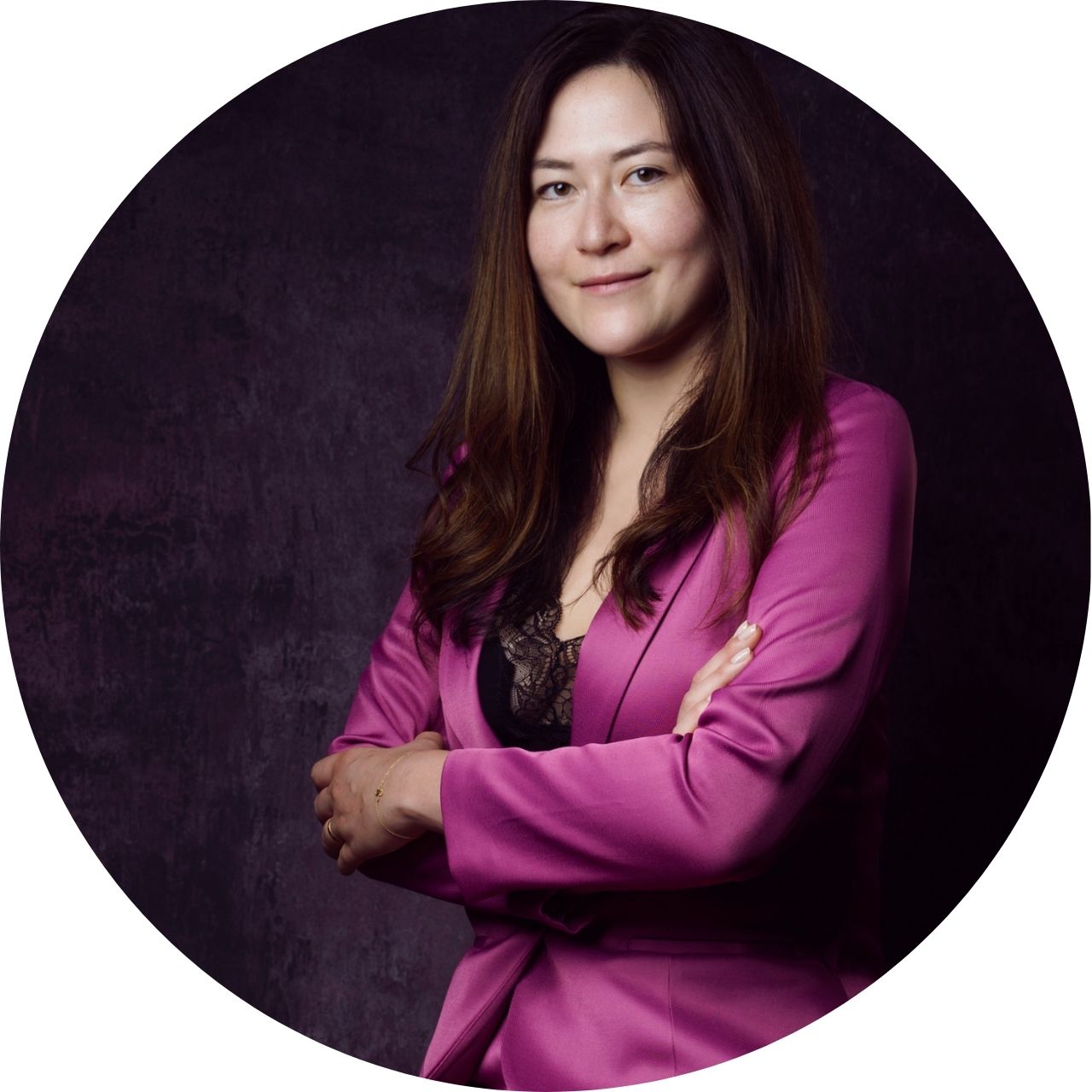
Co-written with neurosurgeon, Dr. Samiya Abi-Jaoude
I met Samiya, a Paris neurosurgeon, on a warm weeknight evening at a café across from the Opera Garnier. She arrived after finishing her hospital day at 6 p.m., unhurried and fully off-duty in a way that felt almost cinematic. Over several hours of conversation, what became striking were the countless structural differences, and the subtler cultural ones, that shape what it means to become, and remain, a surgeon in France. Many of those differences are worth studying if we ever hope to build a system in the U.S. that is humane, sustainable, and capable of keeping good people in it.
This is what I learned.
Work Hours That Reflect Real Life
France has a legally defined 35-hour workweek. And while physicians obviously exceed that, the law still shapes their schedules. As a neurosurgeon, Samiya works 50–60 hours per week across only four clinical days. Because physicians don’t have predictable hours, she receives three extra weeks of paid time off to compensate.
There are even scripts for physicians’ email away messages that outline a doctor’s “right to disconnect.”
Yes, a legal right.
To disconnect from work.
To not answer emails after a certain hour.
To have her personal time respected by the institution employing her.
Meanwhile, in the U.S., we congratulate residents for answering pages before the second ring while eating dinner with their families.
Vacation, Autonomy, and the Chef De Clinique
All French workers, not just physicians, are legally entitled to five weeks of vacation per year. Many doctors get more. Samiya takes eight weeks most years, plus fifteen additional days reserved for continuing medical education.
This isn’t theoretical. It is taken, protected, and culturally respected.
Vacations are approved by the chief of the department who makes sure there aren’t big disparities in medical staffing throughout official holidays. Hospitals adapt schedules during official school holidays (the french schooling system has four 2 week holidays spread out through the school year, on top of the 2 months summer vacation): medical and paramedical personnel are expected to take their vacation weeks during these holidays to be with their children, so the hospital closes some OR rooms, some hospital beds and adapts the staffing…
The Chef de Clinique is a fellow-level role that blends patient care with teaching responsibilities. Fellows in France hold official teaching positions—often two, one at the hospital and one at the university—and are paid two salaries accordingly.
The result is a training environment that does not rely on chronically overextended residents to keep the system afloat. Fellows teach. Attendings teach. Residents learn.
For those who trained in the U.S., it may sound unimaginable.
Residency Without the Hierarchy
In Paris, neurosurgical residency is six years. But the hierarchy of “junior” and “senior” does not exist. There is no automatic assumption that a PGY-5 supervises a PGY-1. Everyone is simply a coresident.
That doesn’t mean they’re not learning. It simply changes how they learn.
“Who teaches them?” I asked Samiya.
“They absorb everything,” she said. “Attendings teach. Fellows teach. And the residents rotate through different hospitals. They’re sponges.”
Teaching is not a burden placed on the tired shoulders of fifth years; it’s a communal obligation of the institution itself.
A Call System That Doesn’t Assume Suffering
This one stunned me: there is no “junior call” and “senior call” in Paris.
A first-year resident might take first call. A fifth-year might take first call. There is no assumption that someone older must automatically absorb more of the system’s strain.
Samiya’s neurosurgery department is an exception in the French medical system, where there is only “One” call, the “Senior Call.” Residents do not have calls in her particular current department, but the fact that she’s an exception underscores the point: the system does not normalize overwork.
Call is transparently compensated:
- A flat fee for being on call
- Additional hourly pay for every hour she is called in
- Transit included; if she’s called in after the metro stops at 1 a.m., the hospital pays for her taxi
Fairness is shockingly effective at preventing burnout.
Life Outside the Hospital Is Not Optional
France embeds humanity into the structure of work.
- Three days off when you get married.
- A symbolic €100 marriage stipend from the hospital (also for births/adoptions/retirement)
- Paid obligatory maternity and paternity leaves : expecting mothers get 16 weeks off — six weeks before birth and 10 weeks after (34 weeks for twins). Fathers get 25 days of paternity leave.
- Adoption leaves.
- Legally guaranteed leave if a first-degree relative becomes ill.
- Legally guaranteed leave when someone close to you dies.
Not if the department allows it.
Not if your co-residents can cover.
Not if it works with the call schedule.
Guaranteed.
This isn’t a perk, it’s a cultural baseline.
Another System Is Possible
Samiya trained in Lebanon before coming to France, where she experienced a more traditional hierarchy. She knows both worlds. She has chosen this one.
In Paris, seven hospitals offer neurosurgery. Only one takes “Big Call,” the major trauma call, at a time. Samiya takes three to five call nights per month.
Surgeons retire at sixty-seven. Mandatory. Not out of disregard for experience, but out of respect for safety, for both the surgeon and the patient.
What I learned from Samiya is not that France is perfect. It’s that France is intentional. It has made conscious choices about how surgeons should be trained, how they should rest, how they should be compensated, and what they deserve as professionals and as citizens.
In America, we often behave as if our system is the only possible version of reality, that the brutality of training is a badge of honor, that suffering is the cost of competence.
Sitting in a Paris café, listening to Samiya describe a different world: one where residents are not crushed, where surgeons have time to think, where rest is designed rather than stolen, our conversation led to the simple realization:
It doesn’t have to be this way.
And surgeons on both sides of the ocean know it.
.jpg)

.jpg)
.jpg)
.jpg)