Welcome to Multi-D, where I interview colleagues in different specialties. We’ll explore common specialty misconceptions, and ask–what do you wish other specialties knew about yours?
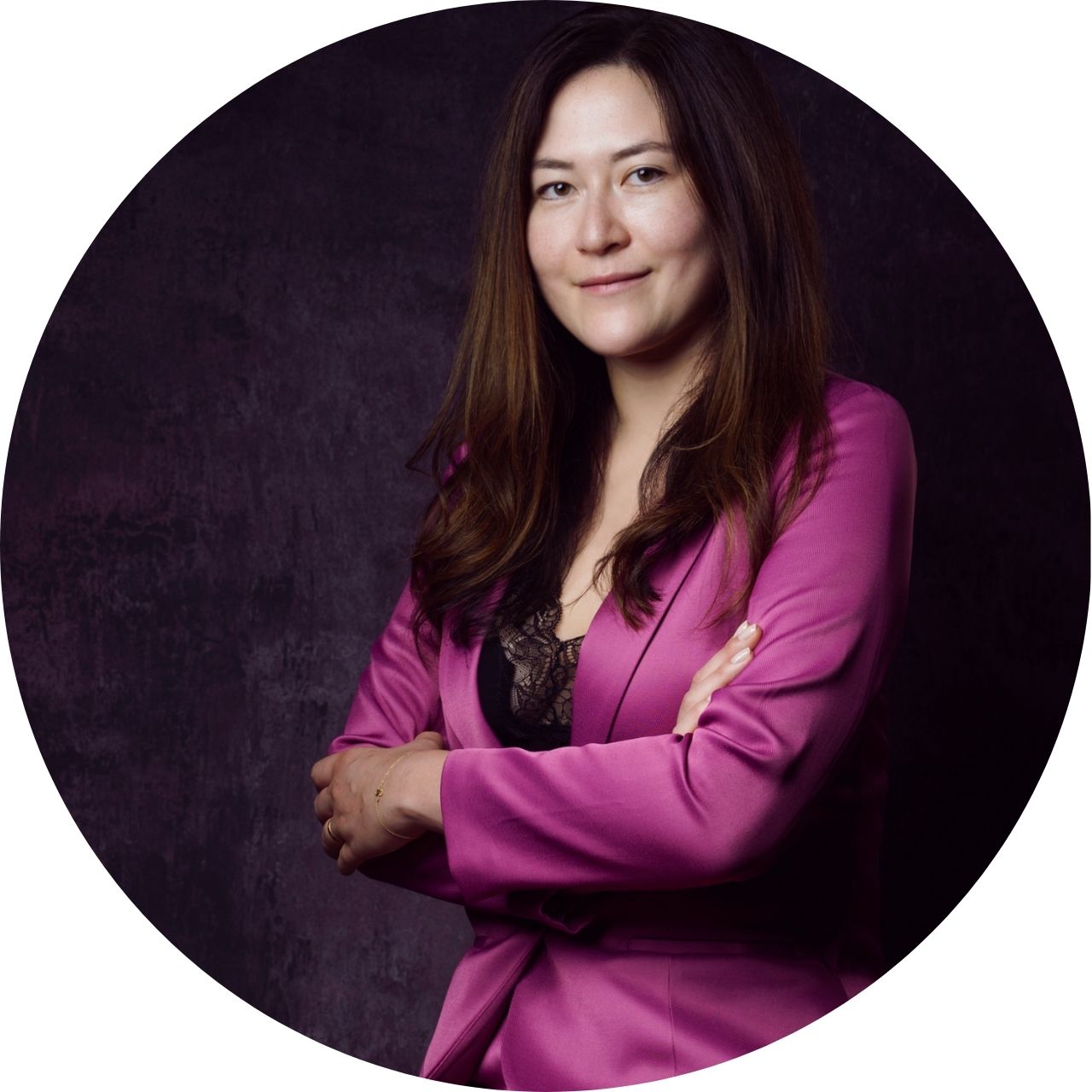
Today we’re joined by Maheetha Bharadwaj, who specializes in urology!

The dreaded interview opener...tell me about yourself!:
I’m Maheetha, and I’m a 4th year urology resident in the Pacific Northwest. My interests in urology are within the space of urologic oncology, where we treat cancers that affect the bladder, urethra, kidney, ureters, testicles and penis. My hobbies include dancing, swimming, and social media. My goals on social media revolve around the 3 Es: education, empowerment, and entertainment. Outside of social media and work, I love attending hip-hop dance workshops and swimming in lakes.
What are the best parts and the worst parts about urology?
Best parts: so much! Urology is truly one of the most versatile fields there is. You can treat both men and women; you can do microscopic surgery, open cases, robotic cases, and endoscopic cases. You can do mainly quality of life improvement surgeries or life saving surgeries. You do everything from small scrotal cases to big open cases. You can medically diagnose and treat patients and/or surgically treat them. When you’re nearing the end of your career, you can have a purely clinical practice. You can choose your hours! The list is endless. Not too many emergencies. We get to give people their lives back.
Worst parts: encountering misconceptions about what urologists do; obtaining outside records; the scarcity of our care, making us need to work extra hard to reach people from poorer socioeconomic backgrounds as well as rural areas. Also, since a lot of our procedures are quality of life improving, patient dissatisfaction can be very difficult to address.
From the perspective of these different training levels: what is the most significant issue or challenge facing urology?
- Medical student: just understanding the basics of urology and what we do. We do not get exposure in our core clinical rotations, so oftentimes students have to seek those opportunities. I always tell students to shadow during their M1 years and choose urology as a clinical elective, because otherwise there is really very little exposure. It’s also tough because you need to do away rotations and plan ahead for urology.
- Resident: finding what you want to subspecialize in, or the quandary of whether to specialize or not, because you can get lots of jobs in rural areas without needing to specialize. But nowadays you need more academic credentialing to be at an academic center. This is tough because training is already up to 6 years at some institutions, and fellowship is on average 2, sometimes 3 years depending on the fellowship. So taking so much time for training especially when you want to start a family can be tough.
- Attending: reimbursement models, calculating RVUs, and figuring out call structure. Call structure can make or break whether a job is the right fit for you. Also when you’re at a teaching hospital, stepping from a learner role to a teacher role. That transition is tough.
If you had to choose another specialty right now, what would it be?
Probably another specialty that combines medicine and surgery so beautifully: OBGYN, ENT, Optho, in that order.
What is a common misconception about urology?
That we only take care of penises, erectile dysfunction, and men! We do SO MUCH MORE! People forget that women have bladders, urethras, kidneys, and erectile tissue too! We also have sub-specialties that train you to predominantly take care of a women, like Urogynecology and Reconstructive Surgery (URPS)
What do you wish other physicians knew about urology?
I think urinary tract infections are our most common consult that we wish we didn’t have to always offer our input. Just because someone had a recent urologic procedure doesn’t necessarily mean that their urinary tract infection needs a urologist’s opinion. Yes, there are a lot of exceptions and special cases, but in most cases, we do the same thing that anyone else would do: culture-directed antibiotic treatment for a reasonable duration (and infectious disease often has guidelines on duration for different antibiotics). Now if you have tried your best with culture-directed and something’s wrong, then we are here to help further! But also, we don’t have the answer a lot of the time either.
Does your specialty interact with Radiation Oncology? What would you say your specialty’s impression of Radiation Oncology? What do you wish all radiation oncologists knew about urology?
Maheetha: Oh it’s a lovely impression for sure! A key area where we interface with radiation oncology is in the space of bladder and prostate cancer. I think prostate cancer is the largest overlap, because clinical outcomes for prostate cancer when choosing between surgery and radiation are essentially equal. So here is where the art of medicine comes in, because oftentimes the decision to choose radiation vs surgery for prostate cancer is truly up to the patient. In more complex cases, we have a multidisciplinary clinic, which is actually my favorite clinic to attend. I get to review the patient’s history and tell them about the surgical treatment options, but I also get to listen to radiation oncologists talk about their treatments, risks, side effects. A similar situation for bladder cancer: the most rewarding patient encounters are ones that get to see urology, medical oncology, and radiation oncology all in one setting to get a broad picture of what different treatments look like. I learn just as much from those encounters as patients do!
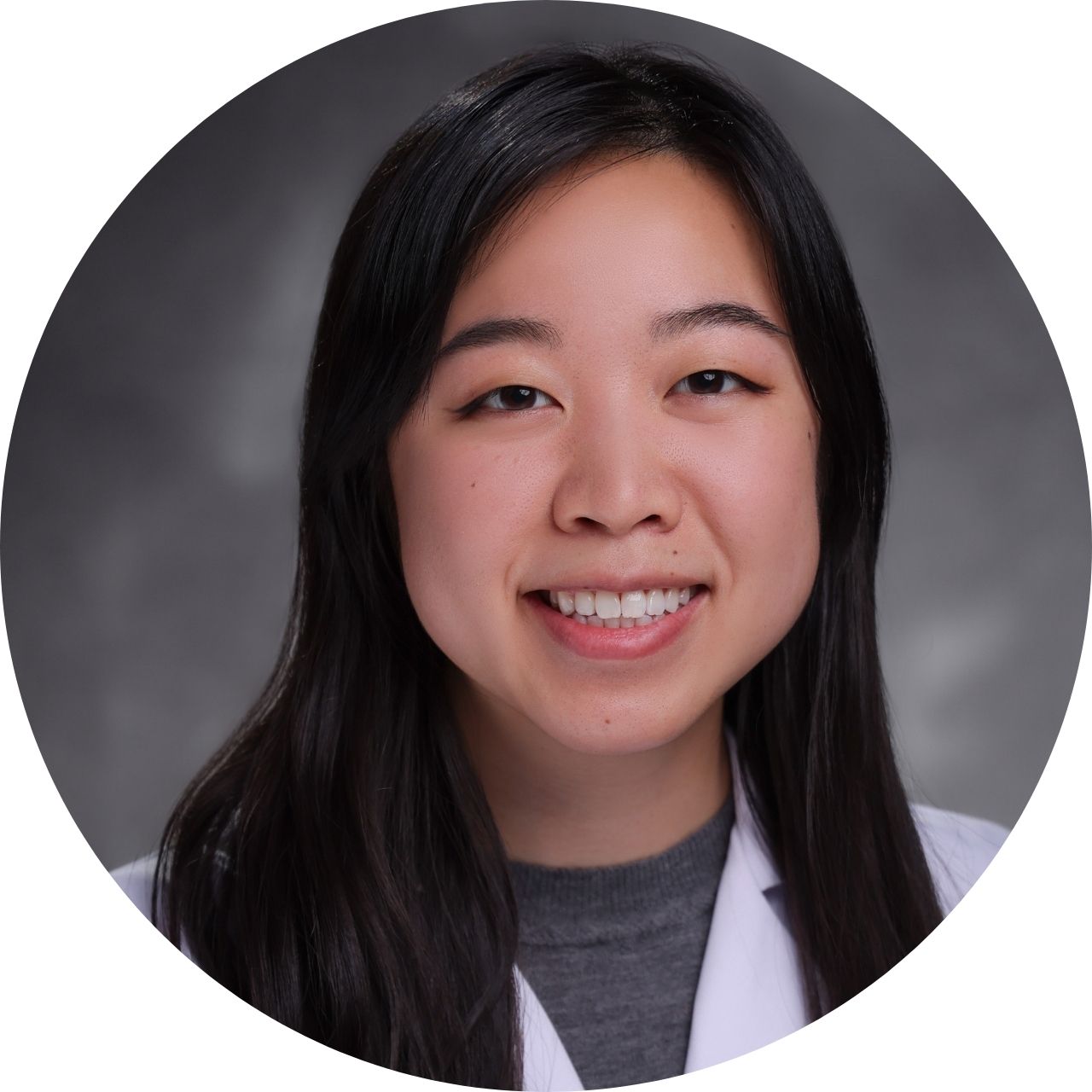
Christina: We work with urologists all the time! I find most urologists to be very chill, cool, and outgoing! Especially for patients with intermediate risk to high risk prostate cancer who either cannot undergo surgery, prefer radiation, or have a high risk of nodal recurrence, we share a lot of patients with our urology colleagues. Surgery is definitely the mainstay of treatment for many urologic cancers. Understandably, if a patient has a recurrence, previous radiation can make surgery difficult or not possible. While we have bias towards our own treatment modalities, it’s important that when we present treatment modalities that have equipoise, that we try to present all options as equally as possible! Every treatment has their pros and cons. Also don’t forget about chemoradiation as an option if patients with muscle invasive bladder cancer would like bladder preservation!
What advice would you give to students who are considering urology?
You’ve got to get exposure early. Many medical schools still follow a 2-year preclinical and 2-year clinical pathway, which makes it difficult, because by the time you’ve done your core clinical rotations, it’s already time to apply, and most people haven’t even gotten a single day on urology by this point! So during your MS1 and MS2 year, shadow for a week at least. Shadow in different subspecialties that you normally wouldn’t get exposure to on your core clinical rotations.
I also want to point out the order of importance for urology residency: urology away rotation evaluation is #1. It doesn’t matter what your step score or your research is, if you do poorly on an away rotation, you will not match there, and urology is a small field, and people talk. Then STEP score and urology research are equal. One can make up for the other, but a low enough STEP score or 0 research will weed you out. Therefore, realistically, just hunker down and aim for a 240+ on STEP 2. For research, it isn’t important that you do UROLOGY specific research because people become interested in urology at different points in time. But it is important that you have some project that you’re passionate about. And KNOW all the projects you list on your CV, you could be asked about them at any time.
All of this to say is that Urology is highly competitive, and the earlier you know you want to do urology, the better. Which is why early exposure is important, and if you need to take a research year to work on research, STEP2, and exploration, that is totally okay! Also if you’re on social media, DM urology residents, ask for tips, as how you can improve your application, etc. This is why we are here!
What are some books, podcasts, or other resources you’d recommend for those interested in learning more about urology?
Podcast about urology concepts/care/life as a physician: Backtable Urology
Urology Info: Weider’s or High Yield Urology or AUA Medical School Curriculum
Are there any projects that you’re working on that you want people to know about?
Yes! I’m this year’s Hippocratic Collective’s Artist in Residence! I will be working on a dance project that aims to highlight human connection and erectile dysfunction
Favorite book/movie/tv show?
Favorite Reality TV show: Love is Blind or Too Hot To Handle
Favorite movie: Arrival
Your socials:
Instagram: dancing_uro_doc
Tiktok: dancing_uro_doc
Christina:
Wow, thank you for this trove of advice for both students and physicians! I love your love of urology and how creative you are on social media when it comes to educating the public and those in medicine. It is definitely not easy to get into urology, and you gave a lot of great, practical advice for students. It can be easy to stereotype the role of urology as a gut-reaction consult anytime a patient has an issue with their genitourinary system or for when there’s a difficult foley, but urologists have such a wide range of skills and expertise. You all do a lot of impressive surgeries and also cover a lot of centers on call, so it’s definitely not easy work. Thanks again for giving your perspective on urology!
If you’re interested in being featured on Multi-D, please email Christina at Chrhuang.md@gmail.com.
%20(4).jpg)
.png)
%20(1).jpg)
.jpg)
.jpg)