
.jpg)
Hippocratic Collective enters 2026 with clarity of purpose and a disciplined vision for what comes next.
This past year marked meaningful growth for HC in reach, creative output, and responsibility. Growth requires precision: in mission, in standards, and in the culture we help shape within medicine. As a physician, and as someone who has lived inside the culture we’re working to change, I take that responsibility seriously.
Five years ago, I tried to quit my residency. After white-knuckling it through years of a malignant residency program, I reached a breaking point. I left in the middle of a case and did not return to the OR that day. It was the first time I had ever walked out of anything in my life, and I felt hopeless. That there was nowhere to turn. If I wasn’t going to be a surgeon, then I wanted to die. Who was I without it?
Here were the choices I had: quit residency and throw away years of training, or attend six free counseling sessions with a therapist at my institution, take a week off, and finish out the remaining year and a half of my five-year residency. I chose the second option. Those six sessions proved invaluable, but what they offered was survival, not resolution. I needed so much more, and I didn’t have the money, time, or institutional power to get it.
I searched everywhere for resources. I looked for people sharing a story similar to mine and found next to nothing. The resources provided by medical institutions were severely lacking or outdated, and they placed the onus back onto the resident: how to increase resiliency, how to manage burnout. Nothing showed a real path forward to survive a malignant environment without losing yourself.
Three years ago, as soon as I finished residency, I started trying to fix what I couldn’t tolerate about medicine: the silence, the shame, the abuse, the way we called endurance “professionalism.” I did it without a budget or a roadmap. I had one goal: to make something that the next resident googling “physician suicide” or “how to leave medicine” from a hospital bathroom could find and take solace in.
I believed then, and still do, that shame dies in the sunlight.
For years, I shared my story. I encouraged others to share theirs. I created as many free resources as I could and highlighted any others I could find. I spoke with hundreds of residents and medical students in distress. I poured myself into that work because I believed that if I could name the truth beautifully and clearly enough, I could give others a chance: if not to escape, then at least to breathe.
But almost a year ago, I realized this too would never be enough. I could help people survive. Sometimes even thrive. But I could not effect real, institutional, cultural change.
When I announced that I was leaving clinical medicine, one of the most common criticisms I received was this: “If you wanted to change the culture of medicine, you should have stayed and changed it from within.” I believe that when a system is rotten at its core, change from the inside has a ceiling. The institution of healthcare and medical training is too large to meaningfully change while playing within the boundaries it sets for itself.
This realization left me with two choices: abandon my beliefs and walk away from medicine entirely, or create a new paradigm. I chose the latter.
I co-founded the Hippocratic Collective because I believe there are no legitimate solutions currently being offered. There are many people with good intentions and many institutions offering temporary fixes to fragments of the problem, but nothing designed to collectively organize, amplify, and sustain real cultural pressure.
Hippocratic Collective is, on its face, a media company. This is intentional. Even the most well-intentioned message will die in the dark. Media is how you reach the ones who are drowning quietly. It is also how we maintain independence, through publishing, events, partnerships, and original work, without being beholden to institutional investors or outside agendas.
Hippocratic Collective influences the culture of medicine through storytelling, thought leadership, and creative work that reflects the realities of modern medical life. We serve physicians, trainees, and healthcare professionals building sustainable, intellectually engaged careers, both within clinical medicine and beyond it.
What we build is straightforward:
- Original podcasts and long-form video storytelling
- Publishing, including essays, Ex Vivo, and books
- Live events centered on depth and community
- Creative platforms that amplify physician voices with intention
These are not side projects. They are the work.
Our values are operating principles, not slogans. We prioritize creative excellence over volume, integrity over urgency, and long-term sustainability over rapid expansion. We are not building a moment. We are building an institution.
In the short term, this means focusing largely on the individual: providing resources that are new, curated, and high-quality. Some will tackle serious subjects directly. Others will simply give physicians a mental break after a long day. Both matter.
In the long term, this means large-scale cultural and political action: supporting organizing efforts, applying pressure to institutions, influencing public opinion, and refusing to sit on the sidelines while hoping for change.
In 2026, Hippocratic Collective will focus on fewer, higher-quality projects; deeper investment in original media and publishing; and continued development of the infrastructure required for durable growth. Our aim is not ubiquity, but work that lasts.
Five years ago, I left the OR believing that I had failed. That moment became something else entirely- the first crack in a system that demanded silence. Hippocratic Collective was born from that same clarity. Not just to make another small crack, but to push until the walls finally give way.
I don’t have every answer. But I know what I’m fighting for: a profession that remembers its humanity, and a generation of physicians who no longer have to choose between healing others and saving themselves.
That is where we begin.
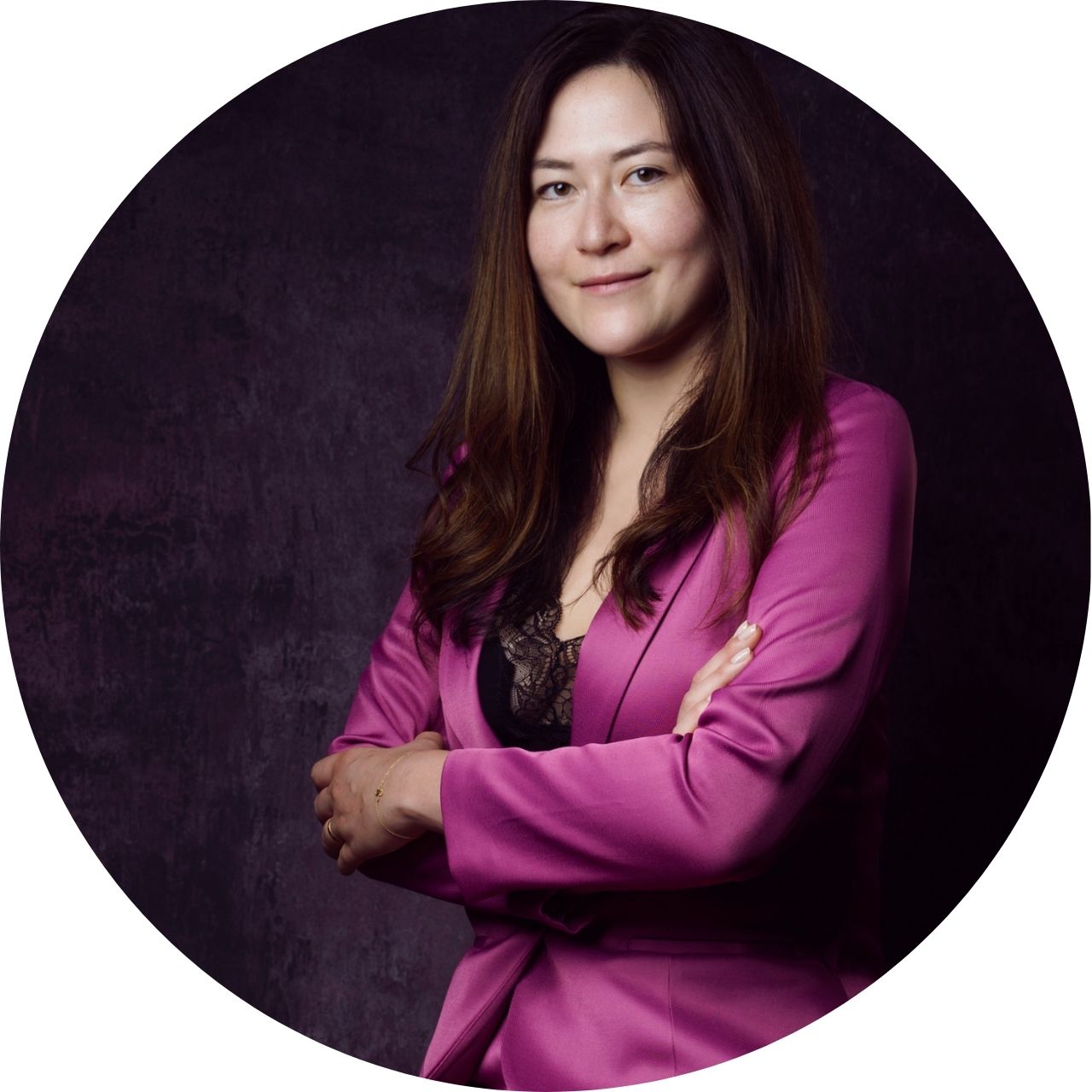
Frances Mei Hardin, MD
Cofounder & CEO
Hippocratic Collective
%20(4).jpg)
.png)
%20(1).jpg)
.jpg)
.jpg)